10 Proven Habits to Master Discipline Building and Skyrocket Your Productivity
Imagine you’re a 13-year-old high schooler in Texas, buried under homework, TikTok scrolls, and a weekend babysitting gig but everything feels chaotic and overwhelming.
Without discipline building, even the best intentions fizzle out, leaving you stressed and unproductive.
Table of Contents
Discipline building is the ultimate productivity superpower, proven to drive goal achievement by fostering consistency amid distractions.
In this post, you’ll get 10 practical habits tailored for U.S. teens and young adults fitting seamlessly into school, college, or early jobs starting with micro-commitments to transform your daily grind.
Why Discipline Building Matters for Young Adults
Discipline building equips young adults to conquer modern distractions like endless TikTok feeds and gaming marathons, channeling energy into better grades, early career launches, or profitable side gigs such as content creation.
Studies show self-disciplined youth outperform peers academically self-discipline outdoes IQ in predicting success and enjoy lifelong gains, with top self-control scorers facing 70% lower poverty rates and 3x fewer convictions in adulthood.
For 13-30 year olds in around world , this means mastering AP classes alongside part-time jobs or thriving in Gen Z’s “hustle culture” without burnout.
Core Habits for Discipline Building
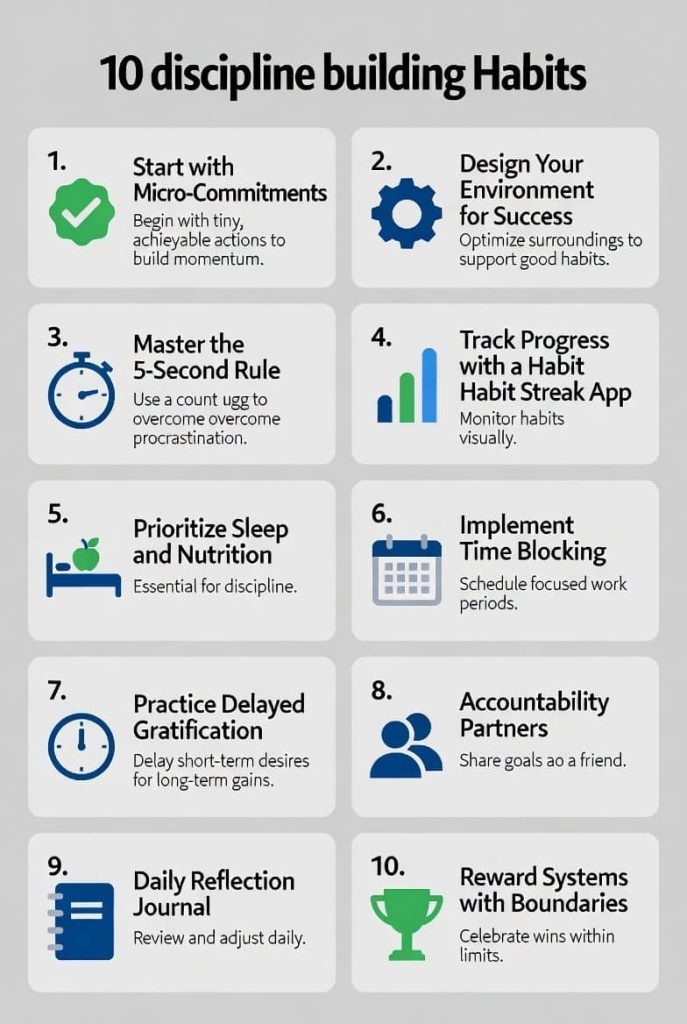
Discipline building thrives on simple, repeatable habits that fit busy teen and young adult lives in the USA.
These core practices create momentum, turning good intentions into automatic actions for lasting productivity.
Start small to avoid overwhelm research shows tiny changes compound into massive results over time.
Habit 1: Start with Micro-Commitments
Big goals like “ace finals” or “launch a side hustle” feel paralyzing for teens break them into 5-minute tasks, such as “just 5 mins of studying math” or “outline one TikTok idea.”
This builds instant momentum without overwhelm, tricking your brain into action and creating proof you can follow through.
Ideal for 13-17-year-olds kicking off homework routines or 18-30s squeezing gym sessions between classes and jobs watch procrastination vanish as small wins stack up.
Habit 2: Design Your Environment for Success
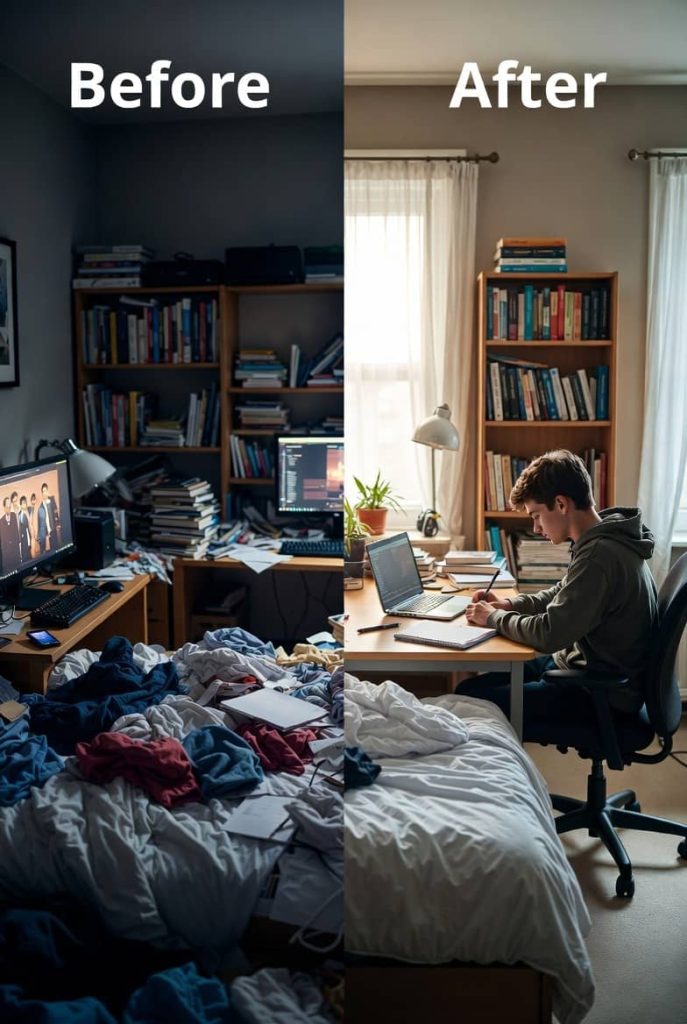
Your surroundings silently sabotage discipline phone buzzes and cluttered desks kill focus, especially in shared dorms or family homes common for U.S. teens and young adults.
Turn the tide: silence notifications, stash your phone in another room, and prep a distraction-free desk with just essentials like a notebook and water bottle the night before.
Apps like Freedom hugely popular in the USA block sites and apps across devices during study blocks, helping students reclaim hours lost to scrolls and perfect for college schedules.
Habit 3: Master the 5-Second Rule
Procrastination hits hard when it’s gym time or late-night cramming your brain screams “later,” but counting down 5-4-3-2-1 forces instant action, beating hesitation in seconds.
This simple hack, popularized by Mel Robbins in her bestselling book The 5 Second Rule, activates your prefrontal cortex to override impulses like scrolling instead of studying.
Perfect for young adults in the USA powering through workouts before class or grinding assignments users report doubling task completion rates with this one trick.
Habit 4: Track Progress with a Habit Streak App
Seeing progress fuels discipline use free apps like Habitica (RPG-style quests) or Streaks to gamify daily tasks, turning discipline into an addictive game for tech-savvy.
Visual streak chains, like Jerry Seinfeld’s “don’t break the chain” method, create unstoppable motivation: one missed day hurts more than the effort to continue.
Teens crushing homework streaks or young adults building gym habits stay consistent, with studies showing tracked behaviors stick 2-3x longer than untracked ones.
Habit 5: Prioritize Sleep and Nutrition
USA’s fast-food culture and late-night scrolls wreck focus aim for 8 hours of sleep nightly and simple meals like overnight oats to sustain energy for discipline.
Poor sleep slashes willpower by 30%, while steady nutrition keeps blood sugar stable, powering through AP classes or side gigs without crashes.
Young adults swapping soda for protein-packed snacks report sharper focus and unbreakable routines, directly linking body fuel to mental discipline.
Advanced Discipline Building Techniques
Once core habits stick, level up with these powerful techniques tailored for ambitious 13-30-year-olds in the USA.
They target deeper mindset shifts for sustained productivity amid college chaos or early career grind.
Advanced strategies like time blocking can boost output by 25%, building on basics for elite discipline.
Habit 6: Implement Time Blocking
Time blocking transforms chaotic days into productive wins schedule school, work, and fun into color coded Google Calendar blocks, like 2 hours for classes, 1 hour for side gigs, and 30 minutes for gaming.
This fits perfectly around high school bells or college lectures, eliminating “I’ll do it later” gaps that kill discipline.
Studies show it boosts output by 25% by creating non-negotiable focus zones, helping U.S. teens and young adults reclaim control over packed schedules.
Habit 7: Practice Delayed Gratification
Instant urges like scrolling Instagram derail discipline wait just 10 minutes before giving in, building willpower like the famous Marshmallow Test where kids who delayed treats succeeded more in life.
This simple pause rewires your brain for youth facing constant notifications, turning “now” cravings into strategic choices.
Key for long-term wins: better GPAs, saved cash from impulse buys, or consistent gym habits that launch careers for 13-30-year-olds.
Habit 8: Accountability Partners
Solo discipline crumbles under pressure pair up with a friend via Discord or group chats to share daily goals and check-ins, tapping into USA youth’s love for social motivation.
This external nudge doubles success rates, as studies confirm shared commitments make follow-through 2x more likely for teens hitting the gym or young adults chasing side hustles.
Gen Z thrives here: quick “crushed my study block!” texts create fun pressure, turning isolation into unstoppable momentum.
Habit 9: Daily Reflection Journal
End your day with three quick sentences: one win, one fail, one tweak no fluff needed to avoid journaling burnout.
This fosters self-awareness fast, spotlighting what works for teens grinding homework or young adults balancing jobs.
Refines habits over time, turning vague efforts into laser-focused routines that build unbreakable discipline.
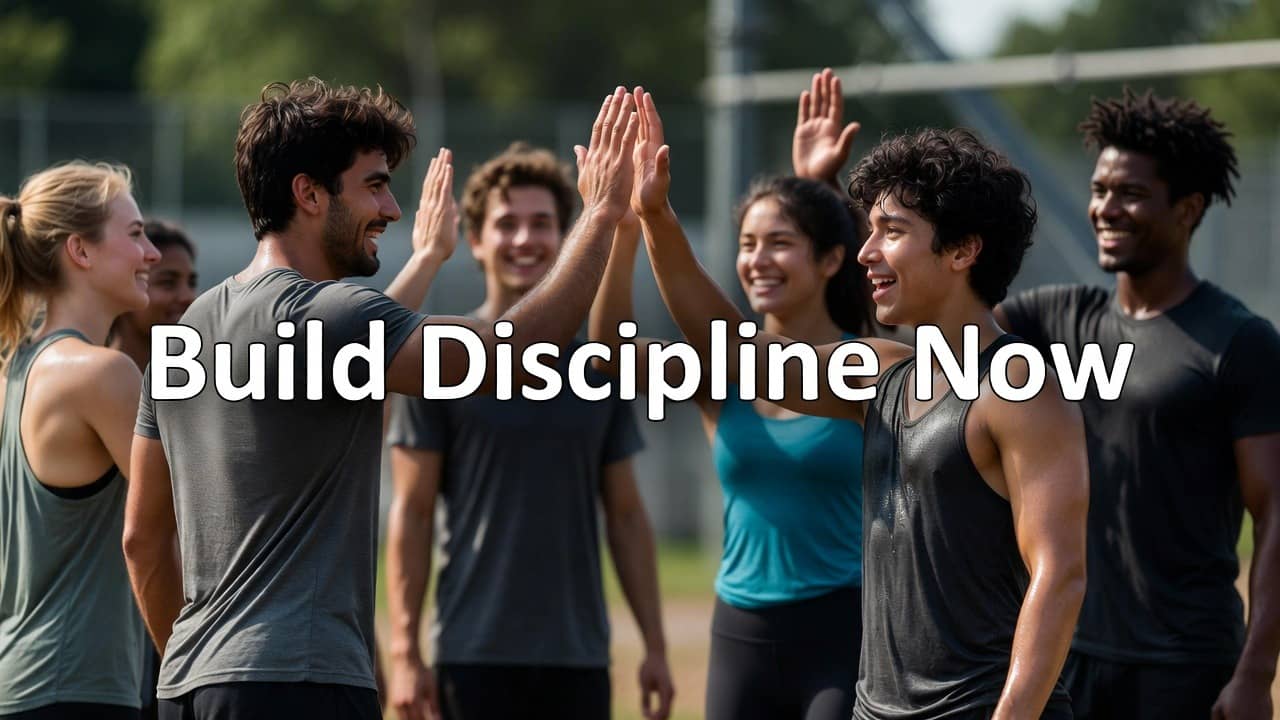
Habit 10: Reward Systems with Boundaries
Earn small treats like 30 minutes of Netflix only after finishing key tasks cap it strictly to dodge binge traps that wreck next-day focus.
This dopamine hack sustains motivation sustainably, training your brain to link effort with joy without overindulgence.
Young adults crushing college assignments or teens powering through chores stay disciplined long-term, balancing hustle with fun.
Conclusion
Mastering discipline building isn’t about perfection it’s about stacking these 10 habits to turn daily chaos into unstoppable productivity for 13-30-year-olds juggling school, jobs, and dreams.
From micro-commitments to bounded rewards, they’ve equipped U.S. teens and young adults to crush procrastination, ace goals, and thrive in hustle culture.
Pick one habit today like the 5-Second Rule or environment design and commit for 7 days. Share your win in the comments and subscribe for more tips to level up!
FAQ
What if I miss a day of my discipline habit?
Missing one day won’t ruin progress use it as a reflection moment in Habit 9 to tweak and jump back with a micro-commitment the next day.
How long until I see results from discipline building?
Most notice momentum in 7-14 days, with habits solidifying around 21 days per research track streaks in Habit 4 to stay motivated during the initial grind.
What’s the best first habit for beginners?
Start with Habit 3: the 5-Second Rule it’s instant, requires zero setup, and beats procrastination on anything from studying to gym sessions.