15 Proven Study Strategies That Actually Work (Science-Backed & Student-Approved)
If any of that sounds familiar, here’s the hard truth: you’re probably not studying wrong because you’re lazy you’re studying wrong because nobody taught you how to do it right.
Table of Contents
Most students spend hours buried in textbooks using the same passive habits re-reading, highlighting, and hoping it somehow sticks.
But research shows these methods are among the least effective study strategies available. The students who consistently ace their exams aren’t studying more hours. They’re studying smarter.
In this guide, you’ll discover 15 research-backed study strategies used by top students, neuroscientists, and academic coaches strategies that rewire how your brain absorbs, retains, and recalls information.
Whether you’re in high school, college, or grinding through late-night cram sessions, these techniques will transform the way you learn.
No fluff. No vague advice. Just actionable steps you can start using today.
Why Most Students Study the Wrong Way
Most students chase grades with habits that sound smart but secretly sabotage them like re-reading notes until your eyes glaze over, drowning pages in highlighter ink, or cramming all night before exams.
These passive tricks feel productive, but science shows they barely stick. A landmark review of 10 learning techniques by psychologists Henry Roediger and Mark McDaniel found that highlighting ranks near the bottom it boosts confidence but improves recall by less than 10% on tests.
Re-reading? Even worse: it creates an “illusion of competence,” where you think you know the material, but retention drops 50-70% within a day without active testing (per Dunlosky’s 2013 study).
Cramming? Ebbinghaus’s forgetting curve proves it: without reinforcement, you forget 70% in 24 hours and 90% in a week. These methods fail because they’re passive they don’t force your brain to retrieve info, which is how real learning happens. Ditch them now, or watch your effort vanish.
The Myth of “More Hours = Better Grades”
Student A studies 5 hours straight, zoning out after hour 2. Student B nails the same material in 90 focused minutes. Who wins? Science sides with B every time. Quality trumps quantity because your brain fatigues like a muscle after 50 minutes, focus drops 30% (per ultradian rhythm research).
A study of 1,000+ college students by the Journal of Applied Research in Memory and Cognition showed no link between study hours and GPA; instead, focused sessions with breaks boosted scores by 20%.
Log more hours without strategy, and you’re just building bad habits. Shift to smart, short bursts your grades (and sanity) will thank you.
What Science Says About Learning and Memory
Your brain isn’t a sponge soaking up facts it’s a muscle that strengthens through effort.
Enter the forgetting curve: Pioneered by Hermann Ebbinghaus in the 1880s, it graphs how we lose info fast without review 50% gone in an hour, 80% in a day.
The fix? Spaced repetition: Review material at growing intervals (day 1, day 3, week 1) to flatten that curve and lock in 90%+ long-term retention, per modern apps like Anki backed by Cepeda’s 2006 research. Combine it with active recall quizzing yourself instead of re reading and you’ve got a powerhouse: studies show it doubles retention over passive methods.
These aren’t hacks; they’re brain hacks proven by decades of psych research.
The 15 Best Study Strategies for Students in 2025
Ditch the myths and level up with these evidence-based tactics. Backed by cognitive science, they’ve helped millions ace exams without burnout. Pick 3-5 to start, track your progress, and watch grades soar.
1. The Pomodoro Technique Study in Focused Sprints
Work 25 minutes straight, then break for 5. After four cycles, take a 15-30 minute reset. This time-boxing hacks your brain’s attention span, slashing procrastination.
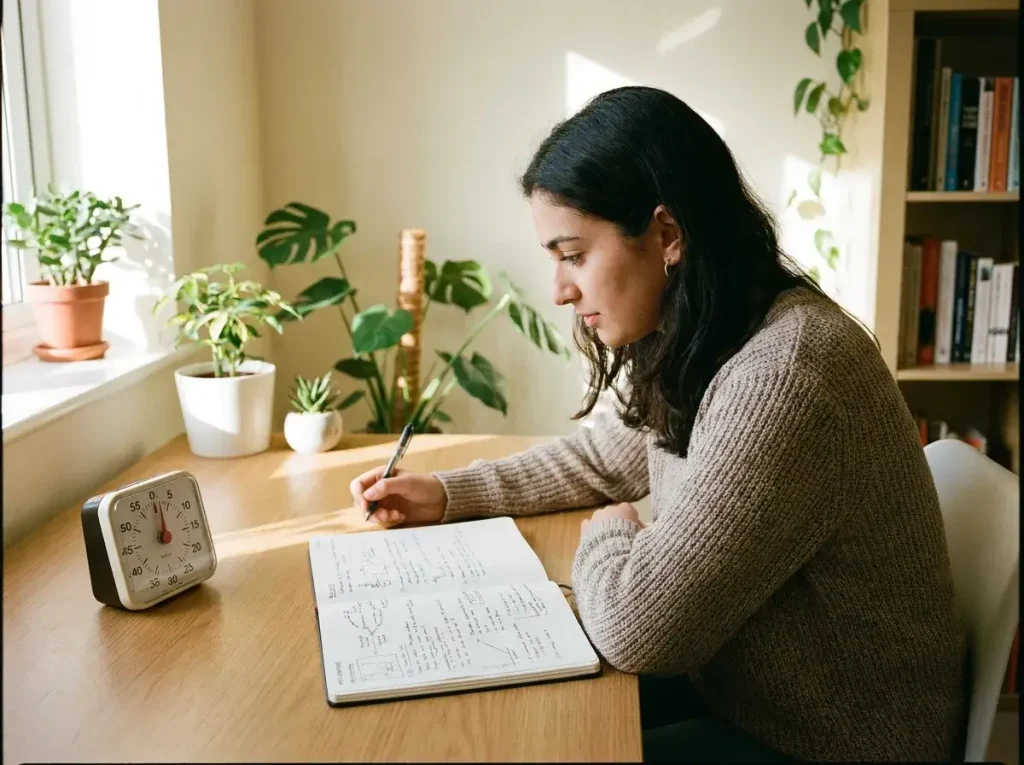
Studies from the University of Illinois show focus peaks in 25-minute bursts before fatigue hits.
Users report 25-50% more daily output no more staring blankly at notes. Grab a timer app like Focus Booster and commit: one Pomodoro today changes everything.
2. Active Recall Test Yourself, Don’t Just Re-read
Close the book and quiz yourself on key facts. Use flashcards or write what you remember from scratch. It’s brutal at first, but that’s how retention skyrockets.
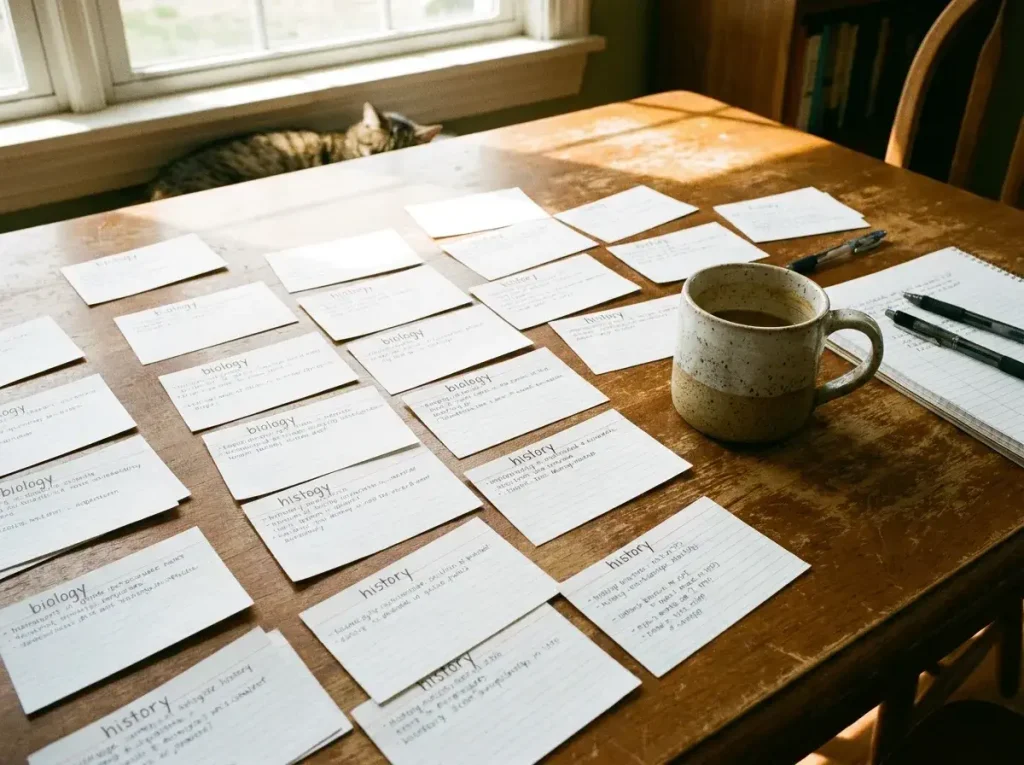
Roediger’s research proves active recall beats re-reading by 50%+ on tests your brain forges stronger neural paths retrieving info. Apps like Quizlet make it easy. Do it daily: transform weak spots into strengths overnight.
3. Spaced Repetition Study a Little Every Day
Review material today, tomorrow, then in 3 days, a week, and so on. Apps like Anki automate the schedule based on how well you know it.
The spacing effect (Cepeda, 2006) crushes cramming retention jumps to 80-90% vs. 20%. No more forgetting curves. Input your notes once; let the app space reviews. Consistency wins exams.
4. The Feynman Technique Teach It to Learn It
Pick a concept, explain it simply like to a 10-year-old. Use analogies, draw pictures record yourself or teach a friend. Stumble? That’s your knowledge gap.
Named after physicist Richard Feynman, it exposes fluff understanding. Purdue studies show it boosts mastery by 2x. Apply to one topic weekly: simplify to solidify.
5. Mind Mapping Visualize What You’re Learning
Start with a central idea, branch out to subtopics with colors, images, and keywords. Ditch linear notes for a web of connections.
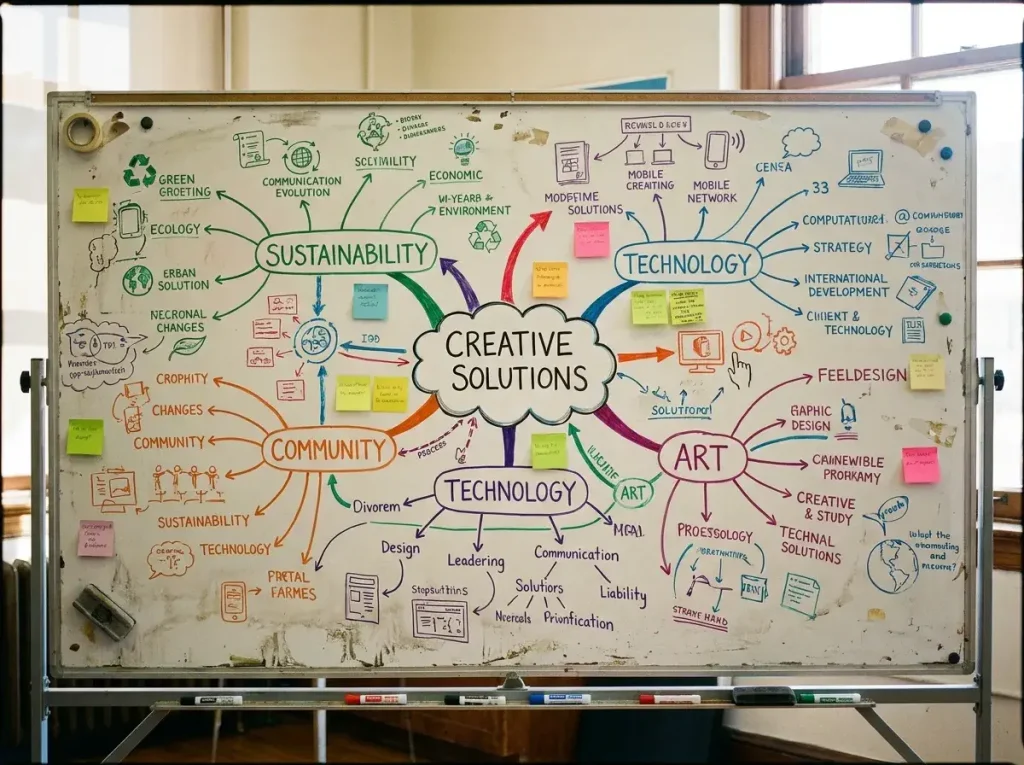
Mind maps engage both brain hemispheres, improving recall by 10-15% (Farrand, 2002). Tools like XMind or paper work. Map a chapter: see how ideas link, spark creativity.
6. The Cornell Note-Taking Method
Divide your page: 2.5-inch left cue column, wide right notes area, bottom summary. During class, jot notes right; later, add cues and summarize.
Cornell University designed it for fast review cuts study time by 50% while doubling retention. Review cues to quiz yourself. Master this: notes become your cheat sheet.
7. Study in the Right Environment
Pick a dedicated spot with natural light, comfy chair, and zero clutter. Keep noise consistent—white noise or lo-fi if needed. Test what works.
Princeton research links optimal setups to 20% better focus; poor lighting alone tanks memory 15%. Experiment: same desk daily builds habit. Your space sets your brain’s success mode.
8. Eliminate Digital Distractions
Install blockers like Freedom or Cold Turkey to lock social apps during sessions. Create phone-free zones; use grayscale mode to kill dopamine hits.
A UC Irvine study found it takes 23 minutes to refocus after a ping blockers reclaim hours. Set “do not disturb” rituals. Reclaim your attention; productivity explodes.
9. Use Practice Tests and Past Papers
Simulate exams weekly: time yourself, no peeking. Grade harshly, redo weak sections.
Meta-analyses rank this #1 for learning gains up to 30% higher scores (Adesope, 2017). It builds exam stamina. Source papers online; test like it’s real.
10. Interleaving Mix Up Your Subjects
Alternate math problems, history dates, and bio terms in one session instead of blocking one topic.
UCLA studies show interleaving boosts problem-solving 40% by training discrimination skills. It fights fatigue too. Shuffle your flashcards: harder now, easier later.
11. Sleep as a Study Strategy
Aim for 7-9 hours nightly review lightly before bed. No screens an hour prior.

Sleep consolidates memories; Harvard research shows one all-nighter cuts retention 40%. Naps (20-30 min) recharge too. Prioritize rest: it’s your secret weapon.
12. Exercise Boosts Brain Performance
Do 10-20 minutes of walking, yoga, or jumping jacks before studying. Make it daily.
Exercise floods your brain with BDNF, improving focus 20% and memory (Ratey, 2008). Short bursts beat long gym sessions. Move first: unlock peak cognition.
13. Set SMART Study Goals
Make goals Specific, Measurable, Achievable, Relevant, Time-bound—like “Master 20 vocab words via flashcards in 45 minutes.”
Dominican University research: written SMART goals double success rates. Track in a journal or Habitica. Clarity crushes overwhelm.
14. Use the “Two-Minute Rule” to Beat Procrastination
If a study task takes under 2 minutes (e.g., open book, set timer), do it now. It snowballs into full sessions.
David Allen’s GTD method proves it overcomes inertia 90% of starters finish strong. Apply to “just begin”: momentum magic.
15. Join or Form a Study Group (The Right Way)
Meet 1-2x weekly: teach each other, quiz, assign roles. Keep it 60-90 minutes, agenda-first. Accountability lifts performance 65% (American Psychological Association). Use Discord for virtual groups. Right size (3-5 people): peer power without chaos.
How to Build Your Personal Study Strategy System
You’ve got the tools now build a system that sticks. Combine 5-7 strategies into a weekly rhythm: focus on daily consistency over marathon sessions.
Start small (3 blocks/day), tweak based on your energy, and scale up. This isn’t about perfection; it’s sustainable wins that build discipline and cut stress.
Sample Weekly Study Schedule for Students
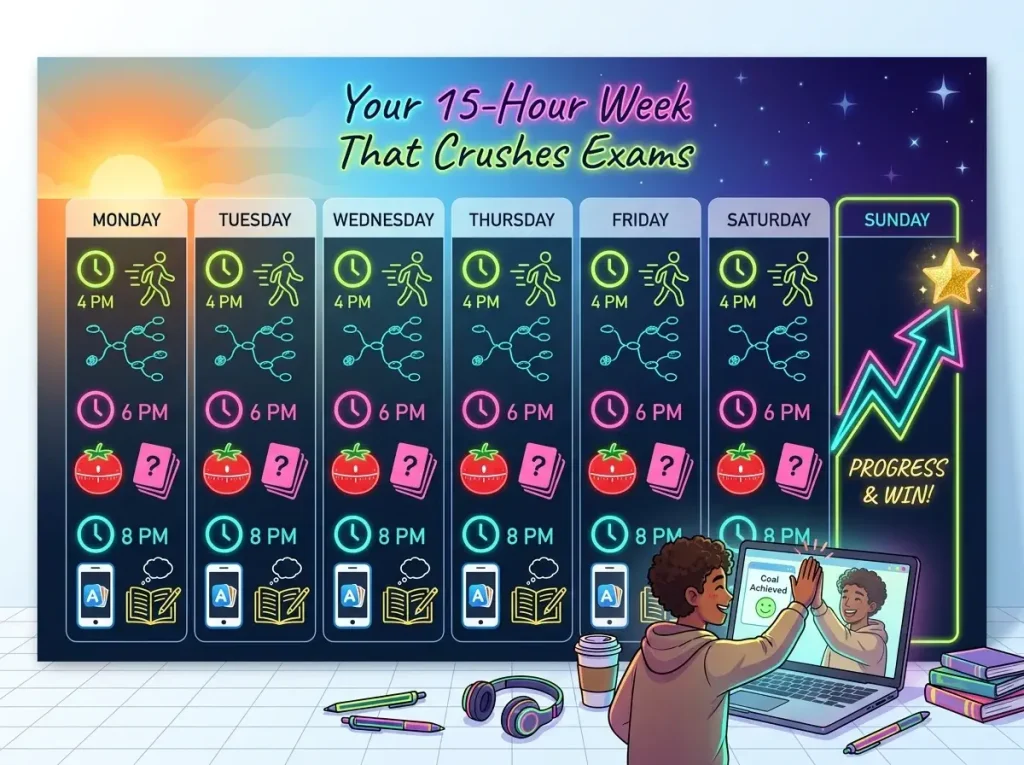
Integrate Pomodoro, active recall, spaced repetition, exercise, and more. Assume school 8 AM-3 PM; adjust for your routine. Total study: 2-3 hours/day to avoid burnout.
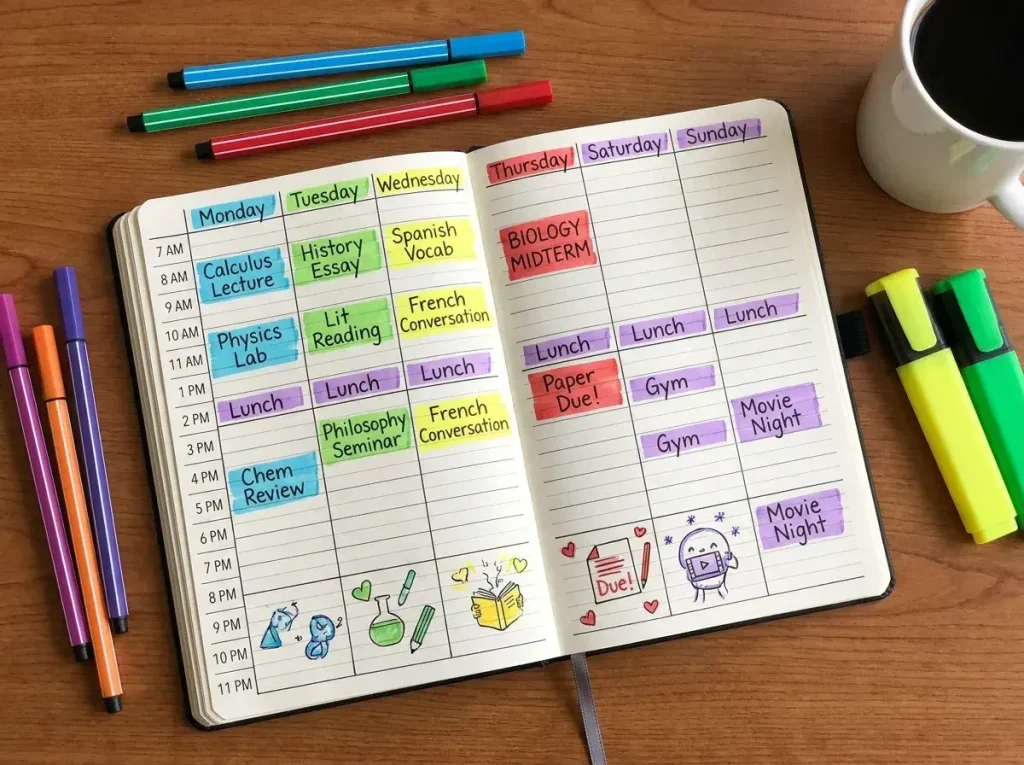
| Day | 4-5 PM (Post-School Energizer) | 6-7 PM (Core Study Block) | 8-9 PM (Wind-Down Review) | Evening Habit |
|---|---|---|---|---|
| Mon | 20-min walk + mind map 1 chapter | 2x Pomodoro: Active recall math (flashcards) | Spaced repetition via Anki (10 min) | Journal wins |
| Tue | Yoga (10 min) + Feynman 1 concept | 2x Pomodoro: Interleave subjects (history/science) | Cornell notes review + self-quiz | 20-min read |
| Wed | Short jog + practice test (past paper) | 3x Pomodoro: Focus weak topic w/ active recall | Teach concept aloud (Feynman-style) | Sleep by 10 PM |
| Thu | Stretch + mind map connections | 2x Pomodoro: Spaced repetition + interleaving | Group call: Quiz peers (15 min) | Two-minute prep for Fri |
| Fri | Walk + eliminate distractions (blocker on) | 2x Pomodoro: Practice tests | Light Anki review | Relax/social |
| Sat | Exercise burst + full practice exam | Review errors w/ Feynman + mind map | Track progress (journal) | Free evening |
| Sun | Rest/light yoga | Weekly review: All subjects spaced (1 hour) | Plan next week (SMART goals) | Early sleep |
Pro Tip: Use 25/5 Pomodoros in blocks. Total weekly study: ~15 hours—quality crushes 30-hour grinds.
How to Track Your Progress
Consistency shines with tracking see gains, stay motivated. Pick one method:
- Habit Tracker App: Habitica or Streaks gamify check-ins for Pomodoros completed or Anki streaks. Visual chains build momentum.
- Journaling (Your Style): End each day noting “What worked? What to tweak?” Weekly: Rate focus (1-10), log grade improvements. Ties emotional management to results.
- Notion/Todoist Dashboard: Template with SMART goals, progress bars for strategies used, and a “win log.” Share with accountability buddy.
Review Sundays: Adjust if a strategy flops (e.g., swap if mind maps bore you). After 2 weeks, expect 20-30% better retention data proves it.
Common Study Mistakes to Avoid
Even smart students fall into these traps spot them early to skyrocket results. Avoid these, and your system from above becomes unstoppable.
- Multitasking Mayhem: Switching tabs or “quick checks” on TikTok? It tanks retention by 40% (American Psychological Association). Fix: Single-task with blockers—full focus wins.
- Skipping Breaks (Burnout Express): Marathon sessions without Pomodoros? Focus crashes after 50 minutes. Fix: Mandatory 5-min resets sustain energy all week.
- Ignoring Weak Subjects: Drilling strengths only feels good but widens gaps. Fix: Interleave + active recall daily turn weaknesses into superpowers.
- Studying Without a Plan: Winging it leads to cramming chaos. Fix: SMART goals + weekly schedule clarity crushes procrastination.
Dodge these, track progress, and own your grades. You’ve got the blueprint now execute.
Tools & Apps That Supercharge Your Study Strategies
Level up with these no-cost essentials. Download 2-3, integrate into your weekly plan, and track usage for max impact.
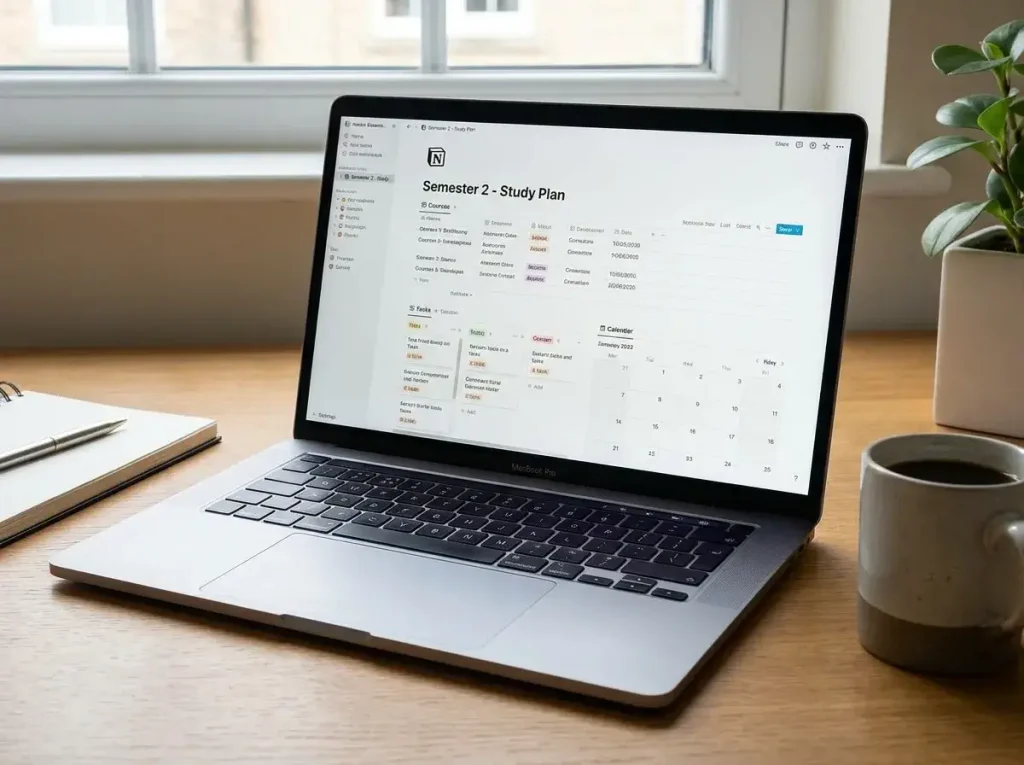
Pro Tip: Stack Anki + Notion for notes-to-flashcards workflow. Start with Forest for one week: reclaim hours.
CONCLUSION
You’ve got the blueprint to transform your grades without burnout—smarter strategies beat endless hours every time.
Pick just 2-3 from this guide like Pomodoro sprints, active recall flashcards, and your weekly schedule then commit starting tomorrow.
Track one week in a journal or Notion, tweak what sticks, and build from there. Small, consistent wins compound into exam dominance and stress-free success.
Ready? Grab Anki or Forest now, block 25 minutes tonight, and message a friend for accountability. Your future self (and GPA) will thank you start winning today.
FAQ
How long until I see results from these strategies?
Most students notice sharper focus and 20-30% better recall within 7-14 days of consistent use like daily Pomodoros and active recall.
Can I use these during exam week or just regular study?
Absolutely, prioritize practice tests, interleaving, and sleep for crunch time.
What if I can’t stick to the full weekly schedule?
Start micro: Pick 2 strategies (e.g., Forest app + Anki) for 25 minutes daily. Consistency over perfection
Which strategy works best for visual learners like me?
Mind mapping + Notion templates shine for visuals they connect ideas spatially.